Superior colliculus (SC), an important laminar nucleus in the midbrain, not only engages in spatial attention and saccadic eye movements, neurons in whose intermediate layer can also modulate pupil size. Given neurons in the deeper layers of SC are able to integrate multimodal signals, it is thus assumed that the multimodal inputs, relative to unimodal stimuli, may modulate pupil size as well.
In the current study, Dr. Xiangyong YUAN and his colleagues systematically examined how multisensory signals modulate pupil size by measuring the pupillary light reflex (PLR). The PLR refers to the rapid pupil constriction in response to light. Using a novel pupil oscillation paradigm, the luminance of the visual stimulus was alternatively changed, which induced a periodic oscillation of pupil size (as shown in Fig.2a and 2b). Using fast Fourier transform algorithm, the oscillatory amplitude of the pupil size at the tagging frequency (1.25 Hz) can be extracted. The oscillatory amplitude reflects the strength of the PLR. By presenting a simultaneous tone with the bright or the dark phase of the visual stimulus (Fig.1b and 1c), the study can then assess the modulation of the coupled multisensory signals on the pupil oscillation induced by the PLR.
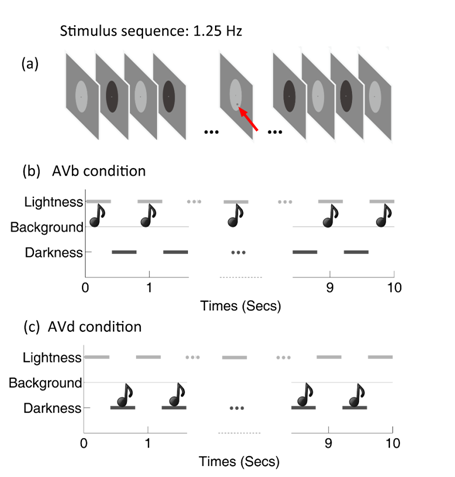
Fig.1. The procedure of Experiment 1. Image by Xiangyong YUAN.
The study found that the induced pupil size oscillation was substantially attenuated when the bright but not the dark phase of the visual flicker was periodically and synchronously presented with a burst of tones (Experiment 1). This finding was replicated when we repeatedly presented a brighter stimulus accompanied by a tone pulse against the background (Experiment 2). This inhibition effect persisted when the visual flicker was task-irrelevant and out of attentional focus (Experiment 4), but disappeared when the visual flicker was moved from the central field to the periphery (Experiment 2). Together, these findings not only offer a comprehensive characterization of the multisensory impact on pupil response to light, but also provide valuable clues about the individual contributions of the sympathetic and parasympathetic pathways to multisensory modulation of pupil size.
This study entitled "Multisensory signals inhibit pupillary light reflex: Evidence from pupil oscillation" has been published in Psychophysiology on 17 May 2021.
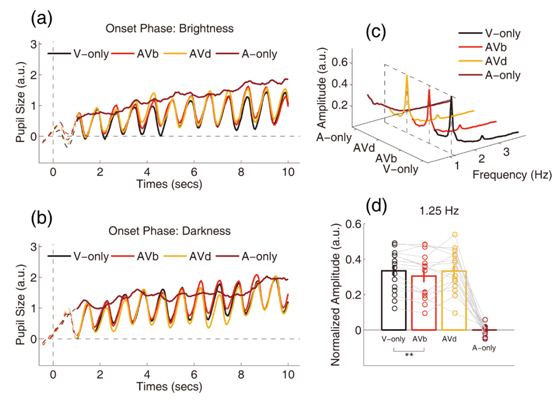
Fig.2. The results of Experiment 1. Image by Xiangyong YUAN.
LIU Chen
Institute of Psychology
Chinese Academy of Sciences
Beijing 100101, China.
E-mail: liuc@psych.ac.cn