A research team led by Dr. KONG Yazhuo from the Institute of Psychology of the Chinese Academy of Sciences and his collaborators has developed a new neuroimaging model that integrates corticospinal activity to predict human pain perception.
Pain is not generated by the brain alone. Nociceptive signals are first processed in the spinal cord and then transmitted to the brain, where sensory, emotional, and cognitive factors jointly shape pain experience. However, most existing pain biomarkers are brain-centered, partly because simultaneous imaging of the brain and spinal cord remains technically challenging.
In this study, the researchers used simultaneous corticospinal functional magnetic resonance imaging and machine learning to develop the Corticospinal Pain Intensity Pattern, or CsPIP. The model was trained on thermal pain data from healthy participants and then tested across independent datasets involving heat pain, itch, electrical pain, pain empathy, neuromodulation-induced analgesia, and chronic pain in patients with irritable bowel syndrome.
The researchers found that CsPIP accurately predicted subjective pain intensity and outperformed brain-only and spinal cord-only models. The model also generalized from heat pain to electrical pain, suggesting that it captured shared neural representations of physical pain across different types of nociceptive stimulation.
Importantly, CsPIP did not predict itch intensity or empathy ratings when participants observed others receiving painful stimulation, indicating its relative specificity to first-hand physical pain.
"Our findings suggest that pain perception is better captured by integrated corticospinal activity than by brain activity alone," said Dr. KONG, corresponding author of the study.
The model also tracked pain relief induced by active transcutaneous electrical nerve stimulation in healthy participants. In patients with irritable bowel syndrome, resting-state CsPIP expression predicted baseline chronic pain severity in low burden subtype patients and tracked pain relief after electroacupuncture treatment.
These findings highlight the importance of considering the spinal cord together with the brain in pain research. The study provides a corticospinal biomarker that may help bridge experimental and clinical pain assessment and support future personalized treatment evaluation.
This study entitled "A predictive corticospinal model for pain perception" was online in Cell Reports Medicine on June 18 and was supported by the National Key R&D Program of China, the National Natural Science Foundation of China, Beijing Natural Science Foundation, and other sources.
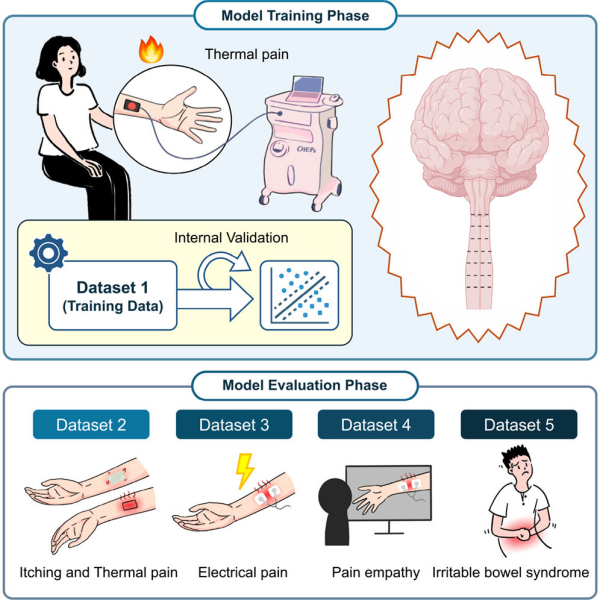
Figure 1. Graphical abstract. Image by Dr. KONG Yazhuo.